Is Hairball Vomiting Really Normal in Cats?
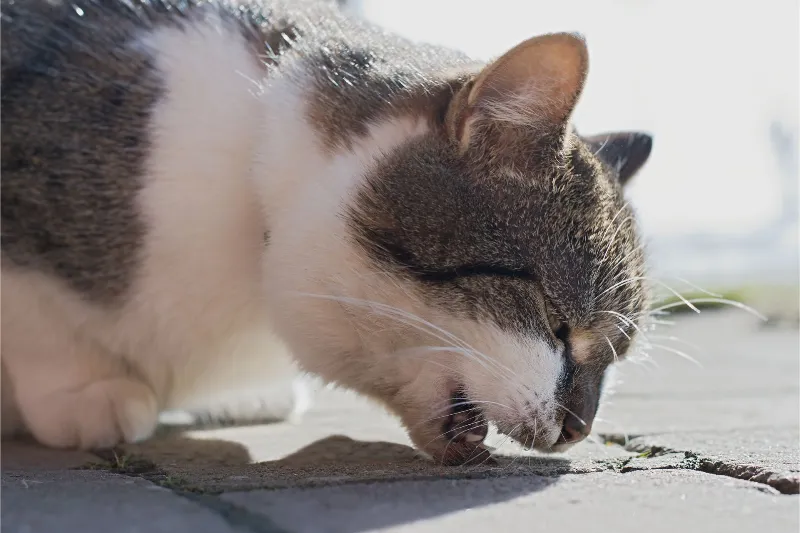
Cat vomiting on a paved surface outdoors.

Anyone who lives with cats has cleaned up their fair share of unpleasant surprises. Regurgitated hairballs are probably a familiar one, and you’re likely under the impression that it’s completely normal. But that assumption can sometimes delay much-needed veterinary care. Not every hairball is innocent, and vomiting too often typically signals a deeper issue.

At Cat Specialist Services, we offer cat-exclusive specialist veterinary care for felines in Brisbane, the Gold Coast and surrounding areas, and even northern NSW. We see some complex cases, but they often begin with simple symptoms. But where is the line between ‘just’ a hairball and a gastrointestinal disease or another underlying problem?

Why cats develop hairballs

Can hairballs be benign, normal events? Absolutely. Cats groom using their tongues, which are covered in tiny, backward-facing barbs known as papillae. These structures give the tongue a comb-like texture so it can catch and remove loose fur, debris and dirt from the coat during grooming. Some of this becomes trapped on the tongue and is inevitably swallowed.

In most cats, the ingested material moves through the digestive tract along with food and is passed in the stool without any problem at all. Occasionally, however, some hair remains in the stomach and gradually clumps together. When enough collects, it can form a compact mass. A hairball that is eventually brought up by vomiting.

Some cats experience this more often than others. Long-haired breeds naturally end up consuming more fur during grooming, especially during shedding seasons. It also makes sense that cats that shed heavily, groom excessively due to skin irritation or stress, or spend a lot of time grooming other cats in multi-cat households will swallow more hair, which increases the likelihood of hairball formation.

When is hairball vomiting not normal?

The real question is how many hairball incidents can you have within a short period before it stops being considered normal. Gastrointestinal conditions such as inflammatory bowel disease, food intolerance or other digestive disorders can all cause repeated vomiting in cats… but because there’s such a familiar explanation, those problems can sometimes go unnoticed for far too long.

If you’re wondering what symptoms might point to deeper concerns, look for vomiting when no hairball is produced, or repeatedly bringing up food, bile or fluid (also typically with no hairball). This can suggest the stomach or intestines are irritated, inflamed or otherwise affected by a digestive issue. Repeated gagging, retching or attempts to vomit without any success may be from irritation or even obstruction. In either event, it’s best to seek help early.

Ultimately, any pattern of frequent vomiting warrants veterinary attention, regardless of what you suspect the cause to be. Vomiting rarely occurs in isolation, and you’ll likely begin noticing other changes, such as appetite, weight, activity level, behaviour or grooming habits.
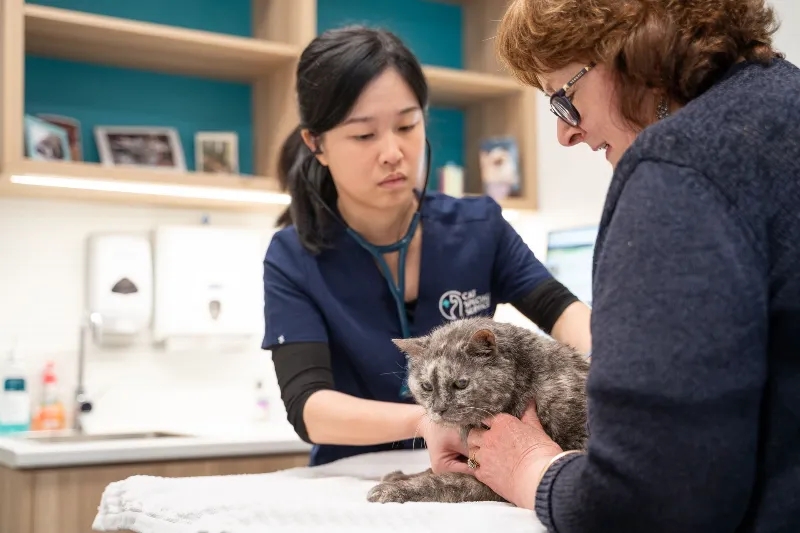
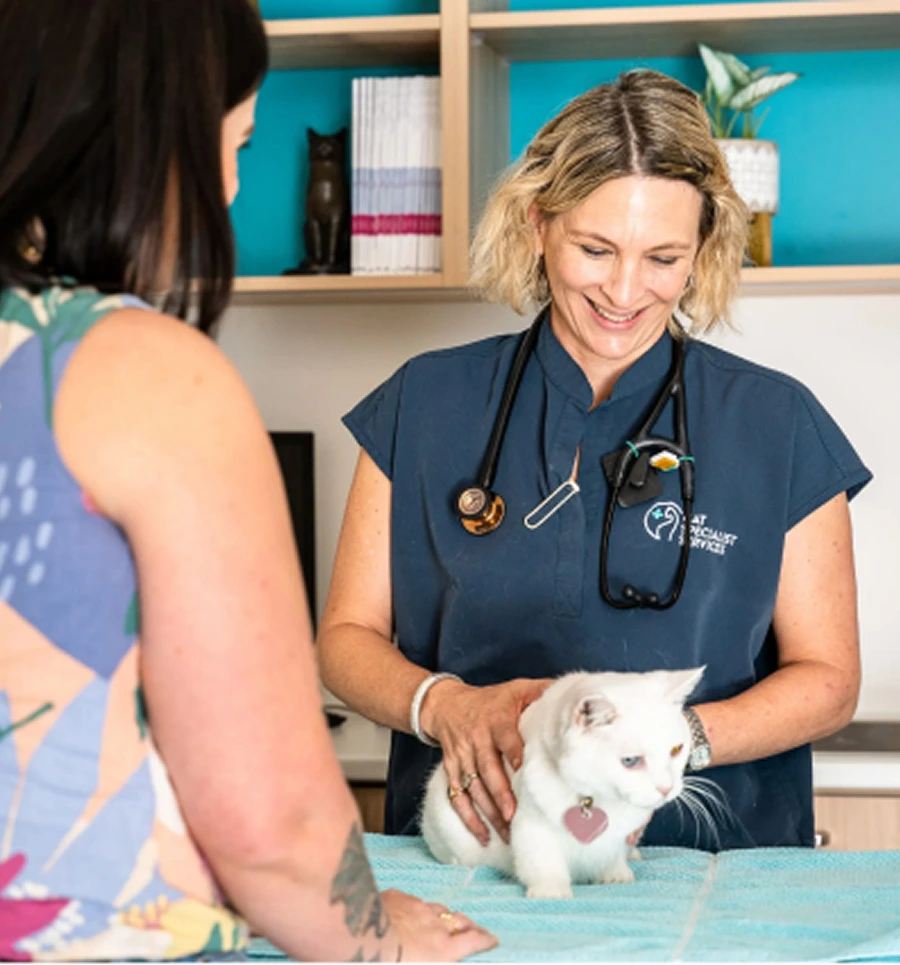
Veterinarian examining a cat while the owner holds it at a clinic.

Investigating ongoing vomiting

The first step in treating a cat who’s been vomiting regularly is to gather a thorough history of events, including how often the vomiting occurs, what it looks like and whether hairballs are actually present.

We also need to know whether vomiting typically happens shortly after eating or grooming, or if it seems random. Information about your cat’s diet, any recent weight changes, medications they may be taking and any other notable symptoms can also help build a clearer picture.

A physical examination is next. During this, we’ll assess body condition, hydration status and the abdomen to check for any discomfort or abnormalities. Depending on what we find, further tests may be recommended. These might include blood tests to assess organ function and look for signs of inflammation or systemic disease, faecal testing to rule out parasites, and imaging to give us a better look at the stomach and intestines.

Once we’ve worked out what’s actually going on, treatment can begin.

Managing hairballs and supporting digestive health

If it does turn out to just be a hairball issue, one of the easiest ways to reduce their formation is regular grooming. Brushing loose fur from the coat before a cat can swallow it during their own grooming routine can make a difference. This is particularly helpful for long-haired cats and during seasonal shedding periods when more loose hair builds up in the coat.

Diet might play a role, too. Some diets are specifically formulated with particular fibre blends to support hairball management by promoting healthy digestion and encouraging ingested hair to move as smoothly through the gastrointestinal tract as possible.

Should hairballs continue despite at-home efforts to manage them, it’s still important to visit your veterinarian so your cat can be properly assessed. Ongoing hairball problems can sometimes indicate underlying digestive disease, skin conditions that trigger excessive grooming or other health issues that require a diagnosis and appropriate treatment.

Paying attention to what’s being brought up

Hairballs happen. Repeated vomiting shouldn’t. Cats are masters at masking discomfort and illness, so it’s important not to disregard the smaller signs when they present themselves. If your cat vomits frequently or if they seem unwell, it’s always better to be safe and see your vet for further assessment and advice.

At Cat Specialist Services, we offer consultations, investigations and advanced veterinary care in a cat-only environment designed to make the healthcare experience as stress-free as possible for cats and their people. If you would like an appointment, your vet can arrange a referral.

Vets can refer patients here.
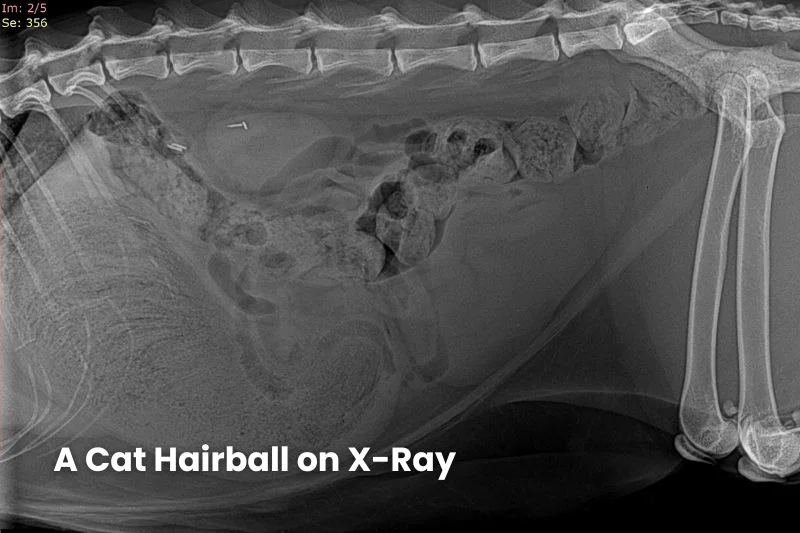
Side-view X-ray of a cat’s abdomen showing a dense mass in the stomach consistent with a hairball.
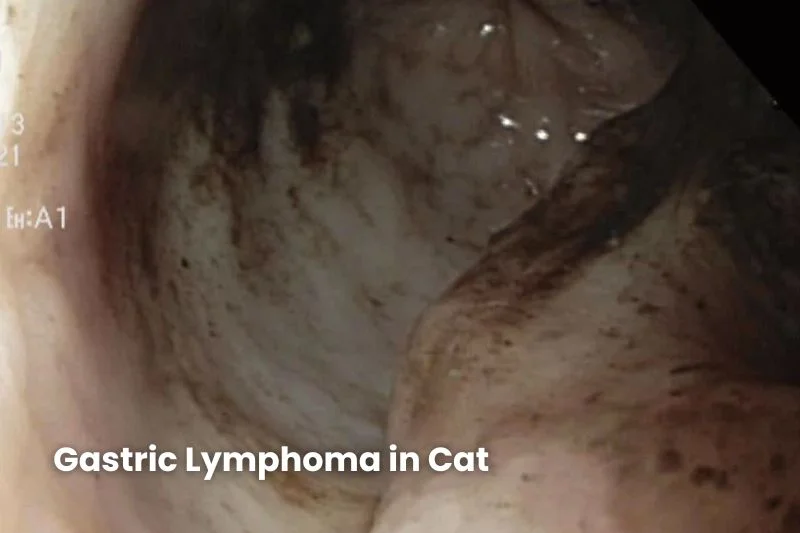
Endoscopic view inside a cat’s stomach showing abnormal thickened tissue
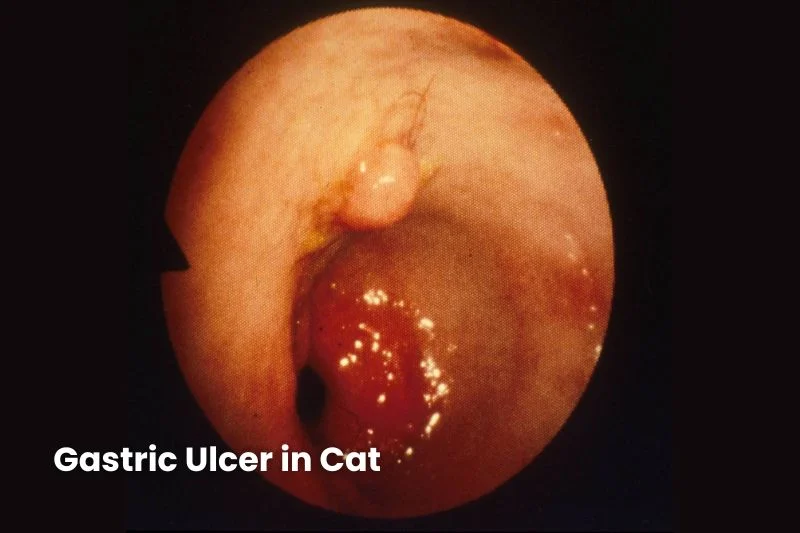
Endoscopic image of a cat’s stomach showing a red, inflamed lesion with a central crater indicative of a gastric ulcer.

Are you worried about your cat’s health?

If you are concerned about your cat, please reach out to our friendly team. Call us on 1300 228 377 or fill out the contact form below. In an emergency, please contact your local vet.

For vets – to refer a patient or book a telehealth consultation, please call us on 1300 228 377, book through the portal or fill in the form.
Meet The Author

Dr Rachel Korman

Specialist in Feline Internal Medicine

BVSc MANZCVS (Internal Medicine) FANZCVS (Feline Medicine)

Dr. Korman’s childhood love for cats led her to veterinary medicine, and early on, it was clear that feline care was her calling. After graduating from the University of Queensland in 2000, she worked in small animal and feline-only practices across Australia and the UK.

She received a Senior Clinical Training Scholarship from the Feline Advisory Bureau (now International Cat Care) at the University of Bristol, where she researched feline infectious and haematological diseases, and in 2018, became a Fellow of the Feline Medicine Chapter of the Australian New Zealand College of Veterinary Scientists and a registered Feline Medicine specialist.


“Occasional hairballs are normal in cats, but frequent vomiting can be a sign that something isn’t quite right.”

Frequently Asked Questions

Why do cats vomit hairballs?

Cats vomit hairballs because they swallow loose fur while grooming themselves. Most of the hair passes through the digestive system, but sometimes it collects in the stomach and forms a clump that the cat later vomits out. This process is common in cats because they spend a large portion of their day grooming their coat

Is it normal for cats to vomit hairballs?

Occasional hairballs are generally considered normal for cats. However, frequent vomiting of hairballs may signal an underlying problem such as excessive grooming, digestive issues, or skin conditions. If the vomiting becomes regular or persistent, it’s best to consult a veterinarian.

How often should a cat vomit a hairball?

Most healthy cats produce hairballs only occasionally, often less than once per month. Vomiting hairballs more frequently than once a week can indicate a medical issue or excessive grooming and should be evaluated by a veterinarian.

What are the signs that a hairball problem may be serious?

Hairballs may be a concern if your cat shows additional symptoms such as lethargy, loss of appetite, weight loss, constipation, or repeated unsuccessful attempts to vomit. These signs may indicate a blockage or another underlying health condition that requires veterinary attention.

How can I prevent my cat from vomiting hairballs?

Regular brushing helps remove loose fur before your cat swallows it during grooming. Feeding a balanced diet, encouraging hydration, and providing specialised hairball-control foods can also help reduce hairball formation. In some cases, your veterinarian may recommend additional treatments.

Patient Stories

Our commitment to feline health is best seen in the stories of the cats we’ve had the privilege of treating. These journeys highlight the dedication, expertise and compassion that drive us.

Each patient faced unique challenges, and it was our honour to offer high-quality care and help them regain strength and happiness. We value the deep bonds with cats and their owners, knowing the difference we make in their lives.

Kitty, a lymphoma survivor

We first met Kitty after she was referred to CSS for the evaluation of a large intestinal mass

Poppi finds her feet again

Following surgery to remove a hairball obstruction, Poppi was referred to us at CSS as she had not bounced back as expected

Rusty and his ongoing chronic rhinitis journey

Lifelong nasal issues, including persistent discharge and breathing noise, have been a bit of a thorn in Rusty’s side.

Lando’s long game with cryptococcus

Lando was referred to CSS because he had a swelling under his jaw that wouldn’t go away.

Popeye coughs up the culprit

Ares is a handsome young Maine Coon who was referred to CSS after presenting at AES with sudden lameness in his back leg.

Key Takeaways

Hairballs form when cats swallow loose fur during grooming, which can accumulate in the stomach and be vomited.

Occasional hairballs are common, but frequent vomiting may indicate digestive issues or excessive grooming.

Regular brushing, proper nutrition and hydration can help reduce hairball formation and support digestive health.

Cat Specialist Services Reviews on

Tanya Bell

6 months ago

We transported our cat here from another animal hospital, as his condition was too complex for them. Our pet was given the highest quality of care, multiple investigations/procedures being able to be done at the one place a godsend. We were kept up to date frequently throughout his stay. All questions & options explained thoroughly. Being able to have private visits certainly helped us and our cat too. I would highly recommend Cat Specialist Services at Underwood. Amazing staff from reception, vet nurses, vets & specialists. Oh, and yes he is recovering wonderfully at home.

Melinda Cox

A month ago

So very happy we were asked to come here for advice for our NORBIT. He has had 2 x UTI blockages within weeks of each other since turning 6. Surgery seemed to be his only option and he didn’t feel it was very fair on him if we didn’t at least exhaust all other avenues first.

Dr Allison was very thorough in her tests and has let us know she would like to treat the cause of the problem. Great news.

It may lead to removal of crystals in his bladder if his diet doesn’t let him pass them naturally.

At least this surgery won’t be as severe at taking his penis off him – so as his fur parents – we are very happy with this.

We await further tests to see what’s in store for him.

NORBIT will now be a patient of the clinic as we are so far very happy with his treatment thus far.

Lesley Rosekrans

A month ago

Hi has only been a week since losing my beautiful Peaches but can’t thank Dr Cindy, Maree and Jackie enough for the tender care they gave her and they after care they gave me. I sincerely thank them and can’t recommend the Clinic highly enough they are such caring people. Peaches I’m happier times.

Madison McEwan

A month ago

I cannot thank the entire CSS team enough and especially Dr Cindy for the care they provided for our boy with a urinary blockage, and we will be taking both our cats here from now on. The clinic is exceptionally clean and calming compared to all other clinics we’ve been too, and all staff from the reception to the nurses/vets were so supportive during a stressful time. I knew from the first minute that I got to see him after he was transferred that he was in the best place, and that the staff genuinely care about their well-being and positive long term outcomes. We were given regular updates and full transparency, so much information including QR video codes on how to administer medications, along with print outs and emails about how to best help avoid future issues or recurrence. Our boy got to smooch on everyone and was beyond well looked after. Thank you again, you all made an incredibly stressful situation actually manageable and calming.

Astrid El Gamal

6 months ago

Dr Wan-Ju has been treating my baby since her first seizure in November 2025 and she has been fantastic.

Everybody at the clinic is so friendly and caring and I know my baby is in good hands.
Thank you team!

Deeba M

3 months ago

Dr Alison Jukes from CSS Underwood is an AMAZING feline physician. She is kind, professional, thorough and our cat is blessed to have her on his side. She even was able to save us money and invasiveness by being skilled to the level of doing ultrasound on two separate occasions without our cat needing to go under full sedation. Our other cat was recently seen by Dr Jukes as well, and she made sure our cat’s heart was ok. I also want to thank the lovely Jacqueline and Mairead from customer care. They are very kind each time I see them and call up. Sending thanks from our family, including Smokey and Floozy!

Judith Dionysius

A month ago

My whole experience with CSS was positive – from the first email I received giving lots of information regarding the process of radioactive iodine treatment to the expected costs, to checking my cat in for the treatment, boarding for 2 weeks after the treatment and picking her up to come home. They didn’t push for any tests that were not necessary.

Janelle Wieden

5 months ago

We never knew this service existed but we are very grateful we were referred to them. Our vet Cindy was really great, she made us feel at ease during a very stressful time. We got the sense straight away the Leo was in good hands. This service made us feel better knowing that they specialise is cats only. Would highly recommend their services

Georgia Carter

5 months ago

My Lani finished her I-131 treatment today and I am beyond impressed with the way she was looked after. I am by definition a neurotic pet owner and sending my fur child away for a week was seriously daunting.

I was given daily updates about how kitty was eating, toileting and behaving. This really put my mind at ease. Vets and vet nurses were so accomodating and allowed Lani to have her favourite foods from home prepared her favourite way.

Her vet was so thorough when explaining her treatment and condition to me.
The ladies at reception were so friendly and understanding.

I honestly cannot recommend this clinic enough and I am so thankful for the positive experience Lani and I have had.

Lauren Woodward

A year ago

My sweet ginger boy Louis was hospitalised at CSS for a Urinary Obstruction. Dr Cindy and all the reception staff were amazing and empathetic. I would often ring up with questions post procedure and Dr Cindy would make time to talk and explain things to me

Service Locations

Cat Specialists accepts referrals for cats across Brisbane and surrounding regions, working closely with local veterinary clinics to provide specialist diagnosis, treatment, and ongoing management.

Contacting Us

Pet Owners
If you would like to talk about treatment for your cat, call us on 1300 228 377 or fill in the form.
In an emergency, please contact your local vet.

Vets and Nurses
To refer a patient or book a telehealth consultation please call us on 1300 228 377, book through the portal or fill in the form. For advice calls, please see the guidelines here.

Monday-Friday: 8 am-6 pm
Saturday/Sunday - Closed

    Upload Files .png, .jpg, .jpeg, .pdf, .doc, .docx.