


1-15 Lexington Rd, Underwood, QLD, AU, 4119
SEARCH
Anaemia in Cats
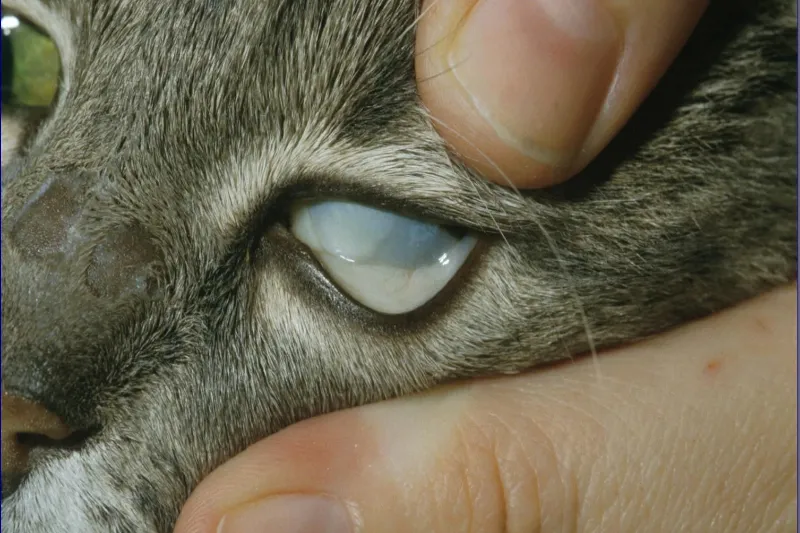
Anaemia in cats occurs when red blood cell numbers or haemoglobin levels fall low enough to reduce oxygen delivery. We measure its severity using the packed cell volume (PCV). PCV measures the proportion of blood that is made up of red blood cells.
In cats, PCV doesn’t always reflect how sick they are or how well they might do. Even with very low PCV, many recover if the cause is identified and managed.
Anaemia in cats is rarely simple. It often develops alongside other diseases, and the signs are easy to miss. Identifying whether it is regenerative or non-regenerative, and interpreting test results in the context of the cat’s condition, is critical to finding the cause and treating it effectively.
Recognising anaemia in cats
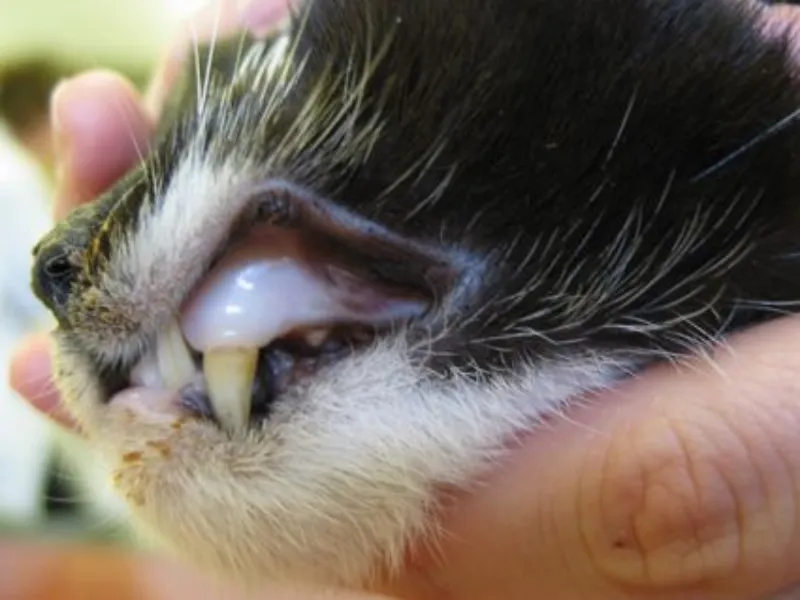
The clinical signs of anaemia vary with the severity of the condition and the speed at which it develops. In mild or gradual cases, cats may become less active, eat less and spend more time resting. Mucous membranes may appear pale, and examination may reveal a faster heart rate with weak or thready pulses. Some cats withdraw or interact less than usual.
When anaemia is severe or develops suddenly, the signs are more pronounced. Cats may collapse or appear severely weak. Bradycardia or tachycardia, exaggerated pulse quality, poor peripheral circulation and a drop in body temperature can also occur when oxygen delivery is critically impaired.
Cats can tolerate a very low PCV if the anaemia progresses slowly, and may appear more stable than expected given their test results.
A practical approach to classifying anaemia in cats
STEP 1 – Regenerative vs non-regenerative
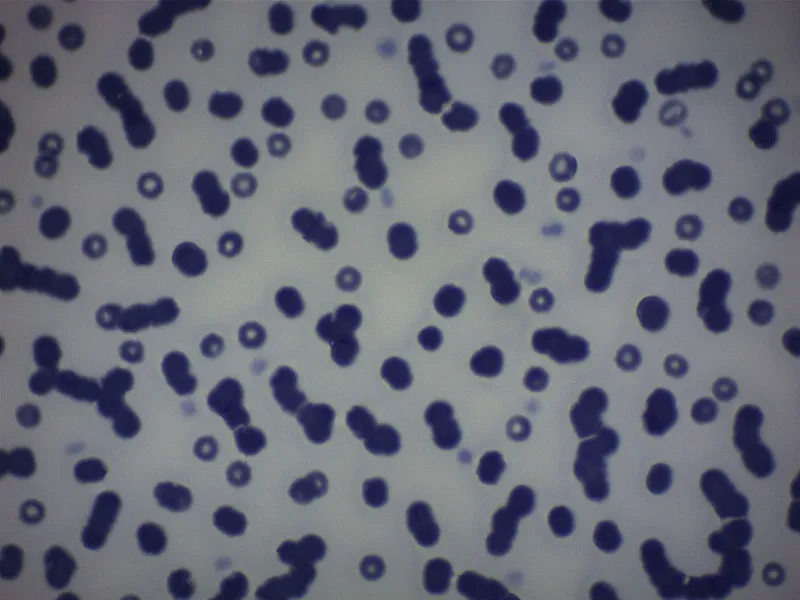
The first question to answer is whether the anaemia is regenerative or not. This will help decide which causes are most likely and what to test for next. To work this out, you need to complete a full blood count, a reticulocyte count and review a smear.
If the anaemia is regenerative, it means the bone marrow is producing new red cells. In cats, this usually takes two or three days to show in the blood. In older cats it can take longer because the marrow responds more slowly.
Sometimes anaemia appears non-regenerative simply because it is too early to see a response. This is called a pre-regenerative anaemia. Chronic diseases can also blunt or prevent regeneration altogether, and some elderly patients may take longer to show a regenerative response compared to young cats.
Step 2 – Broad categories
Once you know whether the anaemia is regenerative or not, the next step is to consider how the anaemia may have developed, e.g. the aetiology of anaemia. This approach helps organise your differentials and guides which tests to run.
The first category is blood loss, either acute or chronic. Acute loss is usually obvious and can result from trauma, surgery or a bleeding lesion. Chronic blood loss is more subtle and can come from a gastrointestinal ulcer, parasites or other low-grade sources that may not be immediately apparent.
The second category is increased destruction of red blood cells (haemolysis). In cats, this can be immune-mediated, caused by haemoplasma species infection or other infectious disease, or the result of oxidative damage such as Heinz body formation (e.g. due to drugs, onion toxicity, etc). Cats are more prone to oxidative damage than dogs because of the structure of their red blood cells.
The third category is reduced production of red blood cells. This occurs when the bone marrow cannot respond appropriately. It can be due to primary bone marrow disease, chronic inflammatory or neoplastic conditions, or nutritional deficiencies.
Diagnostic workup for anaemic cats
Physical examination
The diagnostic process begins with a thorough examination. Check mucous membrane colour for pallor and assess pulse quality, heart rate and temperature. Look for any evidence of external or internal bleeding, and note signs of cardiovascular instability such as weak or hyperdynamic pulses. Be sure to examine inside the mouth for bleeding ulcers of the hard palate (Menrath ulcer).
Laboratory testing
A complete blood count, reticulocyte count and packed cell volume with total protein provide the foundation for assessing anaemia. Smear examination gives additional detail on red cell morphology and platelet numbers, and helps verify automated results. Biochemistry can identify underlying disease processes and may reveal mild bilirubin elevation in haemolytic cases.
Platelet counts from analysers are often inaccurate in cats, so smear confirmation is important. A saline agglutination test distinguishes pathological agglutination from rouleaux, which is a normal finding in cats.
Advanced diagnostics
PCR testing can identify infectious causes such as haemoplasmas or retroviruses. Imaging, including radiographs and ultrasound, is useful for detecting neoplasia, internal haemorrhage or organ changes, but note that it can be difficult to find bleeding lesions that are small.
For non-regenerative or refractory anaemia, a bone marrow aspirate or biopsy may be necessary to assess marrow function and rule out serious underlying disease.
Common causes of anaemia in cats
In young cats
In young cats, trauma is a frequent cause of acute blood loss, especially in outdoor animals. Rodenticide toxicity can also lead to significant bleeding, although it is less common in cats than in dogs.
Haemoplasma infections are another important consideration, particularly in young, male, outdoor cats. These infections can cause a marked haemolytic anaemia and are usually confirmed with PCR testing.
Feline infectious peritonitis (FIP) is another cause seen in younger cats, often associated with a mild to moderate non-regenerative or haemolytic anaemia. Primary immune-mediated haemolytic anaemia (IMHA) also tends to occur in this age group. Unlike secondary IMHA, which is triggered by another disease, primary IMHA is more likely to appear in otherwise healthy young cats. Feline leukaemia virus infection can also result in anaemia, often in younger cats.
In older cats
In older cats, we often find that anaemia is linked to chronic kidney disease. Reduced erythropoietin production and other effects of kidney dysfunction can lead to a mild to moderate, non-regenerative anaemia that develops gradually.
Neoplasia is another common cause in this age group. Both lymphoma and leukemia can suppress bone marrow function or increase the destruction of red blood cells, depending on the type and stage of the disease.
Bone marrow disorders, such as fibrosis, myelophthisis or infiltrative diseases, can also impair red cell production. In some cases, the anaemia is part of a broader syndrome of marrow failure affecting multiple cell lines.
Anaemia of chronic disease or chronic inflammation is also frequently seen. This form is usually mild and non-regenerative, and often accompanies conditions like inflammatory bowel disease, liver disease or low-grade infections.
Treatment and management for anaemic cats
Appropriate management of feline anaemia depends on identifying and addressing the cause. Whether the anaemia is due to trauma, infection, neoplasia or an immune-mediated process, treating the underlying disease is key to improving outcomes.
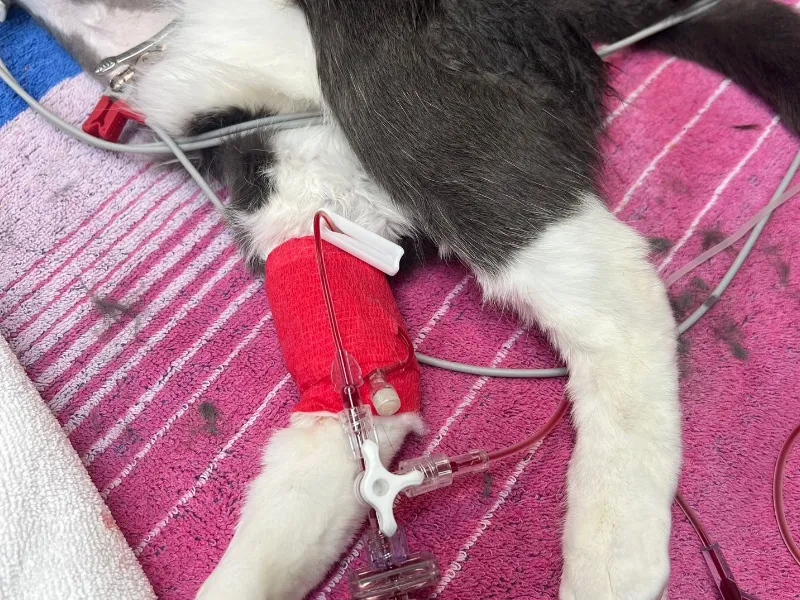
Supportive care can play an important role, particularly in severe cases. Blood transfusions are necessary on occasion; however, this decision should be based on how the cat is coping clinically with their anaemia (transfusion triggers) rather than a single PCV result alone.
Cats with chronic kidney disease may benefit from erythropoietin analogues, such as darbepoetin, which can help stimulate red blood cell production when the kidneys can no longer produce enough on their own.
Vitamin B12 is safe and commonly used, especially in cats with gastrointestinal disease or poor absorption. Iron may be considered in cases of chronic blood loss, but not all cats with anaemia need it.
It’s also important to consider the use of antinausea medications and analgesia where required.
“Identifying the underlying cause is essential for treatment decisions.”
Prognosis and clinical summary
Anaemia in cats is complex but manageable with a clear, systematic approach. Paying close attention to clinical presentation, classifying the anaemia accurately and investigating the underlying cause without relying on numbers alone gives these cats the best chance of recovery.
Dr Rachel Korman recently joined The Vet Vault podcast to discuss feline anaemia. You can listen here.
Are you worried about your cat’s health?
If you are concerned about your cat, please reach out to our friendly team. Call us on 1300 228 377 or fill out the contact form below. In an emergency, please contact your local vet.
For vets – to refer a patient or book a telehealth consultation, please call us on 1300 228 377, book through the portal or fill in the form.
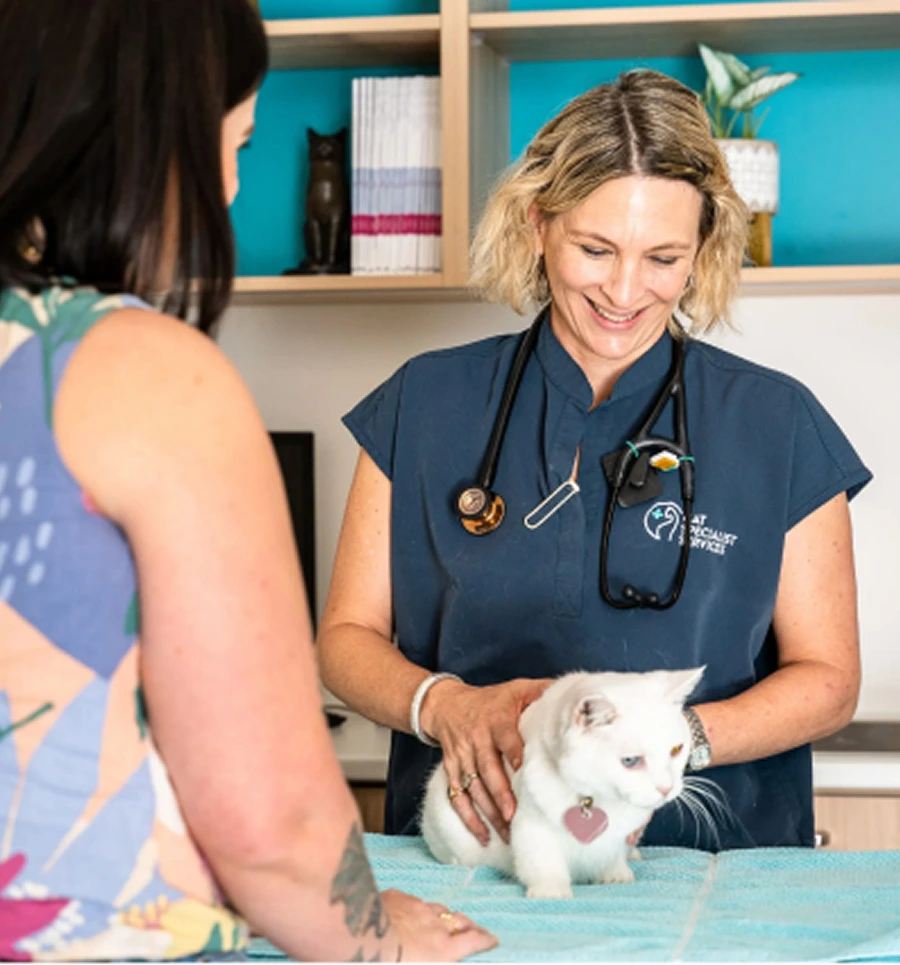
Meet The Author
Dr Rachel Korman
Specialist in Feline Internal Medicine
BVSc MANZCVS (Internal Medicine) FANZCVS (Feline Medicine)
Dr. Korman’s childhood love for cats led her to veterinary medicine, and early on, it was clear that feline care was her calling. After graduating from the University of Queensland in 2000, she worked in small animal and feline-only practices across Australia and the UK.
She received a Senior Clinical Training Scholarship from the Feline Advisory Bureau (now International Cat Care) at the University of Bristol, where she researched feline infectious and haematological diseases, and in 2018, became a Fellow of the Feline Medicine Chapter of the Australian New Zealand College of Veterinary Scientists and a registered Feline Medicine specialist.
Frequently Asked Questions
What are the most common signs of anaemia in cats?
Cats may seem more lethargic, eat less, rest more and appear pale. In severe cases, they may collapse, become very weak or show changes in heart rate, pulses or body temperature.
Does a very low PCV mean a cat has a poor prognosis?
Not necessarily. Many cats, especially if the anaemia developed slowly, tolerate low PCV well and can recover when the underlying cause is treated.
How is anaemia diagnosed in cats?
Diagnosis involves a full physical examination, blood tests including CBC, reticulocyte count and PCV, smear evaluation, and sometimes more advanced tests like PCR, imaging or bone marrow biopsy.
What causes anaemia in older cats?
Chronic kidney disease, neoplasia (like lymphoma or leukemia), bone marrow disorders and chronic inflammatory diseases are the most common causes in older cats.
When is a transfusion needed for a cat with anaemia?
A transfusion is based on how the cat is coping rather than the PCV alone. Some cats with very low PCV remain stable without immediate transfusion, while others with higher PCV may still require support.
Patient Stories
Our commitment to feline health is best seen in the stories of the cats we’ve had the privilege of treating. These journeys highlight the dedication, expertise and compassion that drive us.
Each patient faced unique challenges, and it was our honour to offer high-quality care and help them regain strength and happiness. We value the deep bonds with cats and their owners, knowing the difference we make in their lives.
Marley, and a very rare encounter with Listeria
Marley overcame a rare Listeria infection, hepatic lipidosis and diabetic ketoacidosis with intensive treatment and careful ongoing management.
Kitty, a lymphoma survivor
We first met Kitty after she was referred to CSS for the evaluation of a large intestinal mass
Poppi finds her feet again
Following surgery to remove a hairball obstruction, Poppi was referred to us at CSS as she had not bounced back as expected
Rusty and his ongoing chronic rhinitis journey
Lifelong nasal issues, including persistent discharge and breathing noise, have been a bit of a thorn in Rusty’s side.
Lando’s long game with cryptococcus
Lando was referred to CSS because he had a swelling under his jaw that wouldn’t go away.
Key Takeaways

Anaemia occurs when red blood cell levels fall below the amount needed to carry oxygen effectively.
Cats with anaemia may show symptoms such as lethargy, weakness and pale gums.
Determining the underlying cause is essential before selecting the most appropriate treatment.
Cat Specialist Services Reviews  on
on 
Tanya Bell
6 months ago

We transported our cat here from another animal hospital, as his condition was too complex for them. Our pet was given the highest quality of care, multiple investigations/procedures being able to be done at the one place a godsend. We were kept up to date frequently throughout his stay. All questions & options explained thoroughly. Being able to have private visits certainly helped us and our cat too. I would highly recommend Cat Specialist Services at Underwood. Amazing staff from reception, vet nurses, vets & specialists. Oh, and yes he is recovering wonderfully at home.
Melinda Cox
A month ago
So very happy we were asked to come here for advice for our NORBIT. He has had 2 x UTI blockages within weeks of each other since turning 6. Surgery seemed to be his only option and he didn’t feel it was very fair on him if we didn’t at least exhaust all other avenues first.
Dr Allison was very thorough in her tests and has let us know she would like to treat the cause of the problem. Great news.
It may lead to removal of crystals in his bladder if his diet doesn’t let him pass them naturally.
At least this surgery won’t be as severe at taking his penis off him – so as his fur parents – we are very happy with this.
We await further tests to see what’s in store for him.
NORBIT will now be a patient of the clinic as we are so far very happy with his treatment thus far.
Lesley Rosekrans
A month ago
Hi has only been a week since losing my beautiful Peaches but can’t thank Dr Cindy, Maree and Jackie enough for the tender care they gave her and they after care they gave me. I sincerely thank them and can’t recommend the Clinic highly enough they are such caring people. Peaches I’m happier times.
Madison McEwan
A month ago
I cannot thank the entire CSS team enough and especially Dr Cindy for the care they provided for our boy with a urinary blockage, and we will be taking both our cats here from now on. The clinic is exceptionally clean and calming compared to all other clinics we’ve been too, and all staff from the reception to the nurses/vets were so supportive during a stressful time. I knew from the first minute that I got to see him after he was transferred that he was in the best place, and that the staff genuinely care about their well-being and positive long term outcomes. We were given regular updates and full transparency, so much information including QR video codes on how to administer medications, along with print outs and emails about how to best help avoid future issues or recurrence. Our boy got to smooch on everyone and was beyond well looked after. Thank you again, you all made an incredibly stressful situation actually manageable and calming.
Astrid El Gamal
6 months ago
Dr Wan-Ju has been treating my baby since her first seizure in November 2025 and she has been fantastic.
Everybody at the clinic is so friendly and caring and I know my baby is in good hands.
Thank you team!
Deeba M
3 months ago
Dr Alison Jukes from CSS Underwood is an AMAZING feline physician. She is kind, professional, thorough and our cat is blessed to have her on his side. She even was able to save us money and invasiveness by being skilled to the level of doing ultrasound on two separate occasions without our cat needing to go under full sedation. Our other cat was recently seen by Dr Jukes as well, and she made sure our cat’s heart was ok. I also want to thank the lovely Jacqueline and Mairead from customer care. They are very kind each time I see them and call up. Sending thanks from our family, including Smokey and Floozy!
Judith Dionysius
A month ago
My whole experience with CSS was positive – from the first email I received giving lots of information regarding the process of radioactive iodine treatment to the expected costs, to checking my cat in for the treatment, boarding for 2 weeks after the treatment and picking her up to come home. They didn’t push for any tests that were not necessary.
Janelle Wieden
5 months ago
We never knew this service existed but we are very grateful we were referred to them. Our vet Cindy was really great, she made us feel at ease during a very stressful time. We got the sense straight away the Leo was in good hands. This service made us feel better knowing that they specialise is cats only. Would highly recommend their services
Georgia Carter
5 months ago
My Lani finished her I-131 treatment today and I am beyond impressed with the way she was looked after. I am by definition a neurotic pet owner and sending my fur child away for a week was seriously daunting.
I was given daily updates about how kitty was eating, toileting and behaving. This really put my mind at ease. Vets and vet nurses were so accomodating and allowed Lani to have her favourite foods from home prepared her favourite way.
Her vet was so thorough when explaining her treatment and condition to me.
The ladies at reception were so friendly and understanding.
I honestly cannot recommend this clinic enough and I am so thankful for the positive experience Lani and I have had.
Lauren Woodward
A year ago
My sweet ginger boy Louis was hospitalised at CSS for a Urinary Obstruction. Dr Cindy and all the reception staff were amazing and empathetic. I would often ring up with questions post procedure and Dr Cindy would make time to talk and explain things to me
Service Locations
Cat Specialists accepts referrals for cats across Brisbane and surrounding regions, working closely with local veterinary clinics to provide specialist diagnosis, treatment, and ongoing management.



Contacting Us
Pet Owners
If you would like to talk about treatment for your cat, call us on 1300 228 377 or fill in the form.
In an emergency, please contact your local vet.
Vets and Nurses
To refer a patient or book a telehealth consultation please call us on 1300 228 377, book through the portal or fill in the form. For advice calls, please see the guidelines here.


 Monday-Friday: 8 am-6 pm
Saturday/Sunday - Closed