Diet for Diabetic Cats: Feeding Tips After a Diabetes Diagnosis

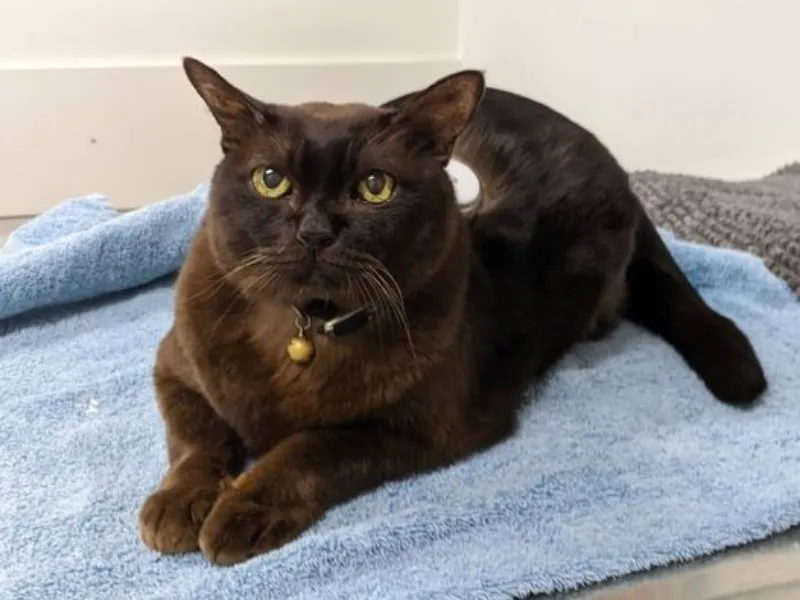
Brown cat with yellow eyes wearing a collar and bell, lying on a blue towel indoors and looking attentively forward.

A diabetes diagnosis comes with a lot of information to take in. After the overwhelm of a new routine and reality subsides, you’ll likely remember the need for insulin, but what about food? If you’re wondering if there’s a specific diet for diabetic cats, the answer is yes. It’s a key pillar of your management plan, along with medication and regular monitoring.

At Cat Specialist Services, we provide high-quality healthcare, exclusively for cats, in an environment that helps them feel as safe and comfortable as possible. We’ve met many patients with feline diabetes and understand how much there is to learn in the early days. Here’s what and how to feed, and what you should ask your vet.

Choosing the right nutritional profile

Cats are what we call obligate carnivores, and they don’t tolerate carbohydrates well. Unlike humans or dogs, they struggle to regulate blood sugar after high-starch meals. That’s why a low-carb diet is necessary for stabilising glucose levels. Their meals should focus on protein, which helps maintain muscle mass, metabolic balance and a healthy weight.

Once your cat is on the right diet, the effects can reach well beyond mealtime. Some cats respond to dietary changes so well that they require lower insulin doses, and remission is even possible under close veterinary supervision. By reducing glucose fluctuations through diet, we can also protect them from serious complications like diabetic ketoacidosis.

However, eating low carb doesn’t mean incomplete. Your cat’s diet should still be balanced for their age and provide appropriate levels of fat, fibre, and essential vitamins and minerals. If they have additional conditions, such as kidney disease or pancreatitis, their diet may need even further modification. Prescription diets formulated for diabetic cats are a reliable option. They’re designed to support blood glucose control while meeting all nutritional needs. Your vet can help you decide if one is right for your cat.

Format, timing and portion control

Wet food generally supports better blood sugar control and hydration, thanks to its lower carbohydrate content and higher moisture. The softer texture can be easier to digest, and the extra water helps with satiety, which means your cat is more likely to feel full and less inclined to overeat. You could also try adding grated zucchini to your cat’s wet food. This can also help them feel full.

When is the best time to feed your cat? The “optimal” meal timing for diabetic cats is not really known, but twice‑daily meals at the same time as insulin injections and grazing or “free feeding” can work. Sometimes it is practical to start with two measured meals 12‑hourly, timed around insulin injections, because it makes it easier for owners to monitor their cat’s appetite and ensure the safety of insulin dosing. Grazing can also be fine, particularly if your cat is on a low‑carbohydrate diet and longer‑acting insulin (e.g. glargine), as their blood glucose control tends to be smoother.

Weight management is crucial in diabetes care. This isn’t just about preventing obesity, but also about avoiding rapid weight loss, which can lead to complications of its own. Maintaining muscle mass, especially in older cats, is so important for their long-term health. Total daily calorie intake should be based on body condition and adjusted regularly as weight or activity levels change. If you’re unsure about targets, speak with your regular vet for a personalised plan.

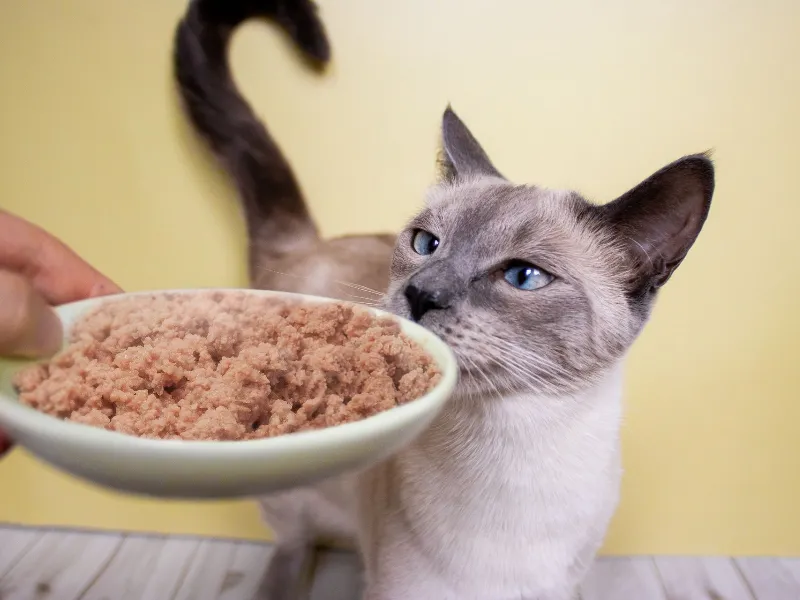
cat with blue eyes reaching toward food bowl on yellow background

Practical tips for everyday feeding

Feeding a diabetic cat can feel like a balancing act, but a few consistent habits can make life much easier. The key is building a routine that supports their health and helps you stay on top of their needs:

  • Check the label
    Look for products with low carbohydrate content and high moisture. Reading the guaranteed analysis can be helpful, but your veterinarian or veterinary nurse can also point you toward options that meet your cat’s specific needs.
  • Ask about prescription options
    Not every cat needs a prescription diet, but many benefit from one. These diets are formulated to support blood sugar control while meeting all nutritional requirements.
  • Stick to a feeding routine
    Cats do best with consistency, either twice daily feeding or and free-feeding if they are used to it and receive a “low carb” diet.
  • Be careful with treats
    Many commercial treats are high in carbs. Ask your vet about safe options, or use small portions of their regular food if you need to give rewards.
  • Adjust when things change
    If your cat skips a meal, eats less than usual, or shows less interest in food, don’t guess with their insulin dosing. It’s safest to check in with your vet.
  • Monitor hydration and urination
    Always provide clean, fresh water. If your cat suddenly drinks more or urinates more than usual, it could be a sign that their blood glucose levels are not under control.

Working with your vet for best possible outcomes

Diabetes is a complex condition, and the dietary approach is never a one-size-fits-all. And your cat’s needs may change over time. That’s why regular checkups are essential. Even subtle shifts in weight, appetite or behaviour can signal a need for adjustments to their feeding plan.

From tweaking portion sizes to trialling different formulas or reassessing optimal feeding times, your veterinary team will know what to do and how to guide you and your cat. In complex cases, they can also seek specialist advice or consult a feline nutritionist for more tailored diet decisions.

Managing diabetes is a team effort

Food may not have been your first thought upon hearing your cat’s diagnosis, but it’s definitely going to be important moving forward. With a little education, time, practice, paying attention and asking questions, you’ll get into a familiar routine that works for both of you.

Start by reviewing your cat’s current food and feeding schedule, and make changes where needed. Work closely with your regular vet to ensure their diet remains appropriate as their condition evolves.

If you’re looking for specialist support, speak with your vet about a referral to Cat Specialist Services. Our team is experienced in managing complex feline conditions, including diabetes.

Vets can refer patients here.

Are you worried about your cat’s health?

If you are concerned about your cat, please reach out to our friendly team. Call us on 1300 228 377 or fill out the contact form below. In an emergency, please contact your local vet.

For vets – to refer a patient or book a telehealth consultation, please call us on 1300 228 377, book through the portal or fill in the form.

Patient Stories

Our commitment to feline health is best seen in the stories of the cats we’ve had the privilege of treating. These journeys highlight the dedication, expertise and compassion that drive us.

Each patient faced unique challenges, and it was our honour to offer high-quality care and help them regain strength and happiness. We value the deep bonds with cats and their owners, knowing the difference we make in their lives.

Lando’s long game with cryptococcus

Lando was referred to CSS because he had a swelling under his jaw that wouldn’t go away.

Popeye coughs up the culprit

Ares is a handsome young Maine Coon who was referred to CSS after presenting at AES with sudden lameness in his back leg.

Ares takes a fracture in his stride

Ares is a handsome young Maine Coon who was referred to CSS after presenting at AES with sudden lameness in his back leg.

The road to recovery for Kuro

Kuro is a calm and dignified older cat who faced a challenging case of hyperthyroidism and early kidney changes.

Kikki’s transformation after I-131

Kikki is a gentle and resilient cat who came to CSS with a long-standing case of hyperthyroidism and significant heart changes.

Contacting Us

Pet Owners
If you would like to talk about treatment for your cat, call us on 1300 228 377 or fill in the form.
In an emergency, please contact your local vet.

Vets and Nurses
To refer a patient or book a telehealth consultation please call us on 1300 228 377, book through the portal or fill in the form. For advice calls, please see the guidelines here.

Monday-Friday: 8 am-6 pm
Saturday/Sunday - Closed

    Upload Files .png, .jpg, .jpeg, .pdf, .doc, .docx.