Feline Breathing Disorders Explained by Specialists

A change in a cat’s breathing is one of the most important clinical cues we have. Feline breathing disorders can stem from disease in the airways, lungs, pleural space or even systems far beyond the chest such as anaemia. Identifying the cause requires a thorough assessment and targeted diagnostics.

At Cat Specialist Services, we work with complex respiratory cases regularly and understand they can be confusing and, for owners, a little frightening. Here’s what you need to know about how specialists investigate and treat these conditions, and when a referral may be appropriate.

What counts as abnormal breathing in cats?

Altered breathing in cats can manifest in several ways, and not all of them are dramatic or obvious. These patterns may develop quickly or gradually over time, depending on the underlying cause. They can include:

  • Tachypnoea, where a cat is breathing faster than usual
  • Dyspnoea, where breathing effort is more laboured and requires more effort
  • Open-mouth breathing, which is a major concern and never normal in cats
  • Increased abdominal effort, where the cat uses their abdominal muscles to help them breatheOwners may identify changes in their cat’s breathing rate, and keeping note of it is useful, but it isn’t a diagnosis by itself. Cats can still have a normal breathing rate even when they’re dealing with significant disease, and a raised breathing rate doesn’t necessarily mean a primary respiratory problem. It might simply be due to pain, stress or fever.

Recognising what constitutes abnormal breathing is an important first step. It alerts owners to when medical attention is needed and helps clinicians assess how the issue is progressing.

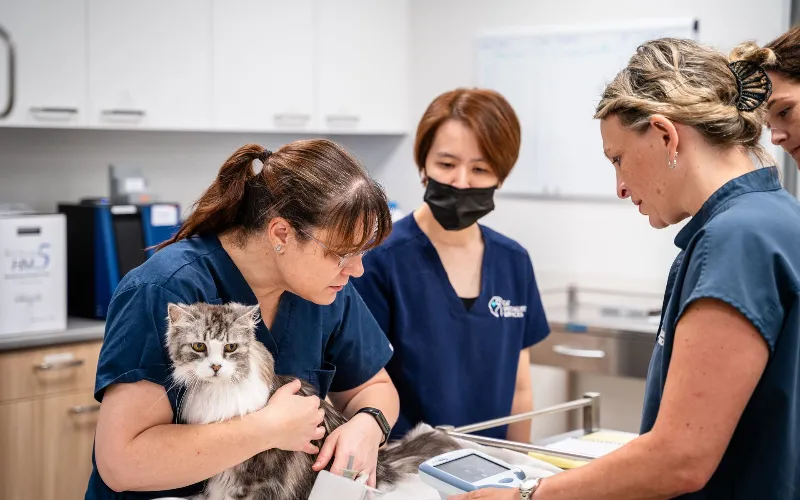
During an examination, vets pay attention to how a cat is positioning its body and how smoothly the chest and abdomen move with each breath. They will also look for smaller details, such as whether the cat is extending its neck, appears unsettled, flaring its nostrils or have altered breathing sounds that suggest airflow resistance.

Common breathing disorders in cats

Feline breathing problems can originate from several parts of the respiratory system. The main categories include upper airway disease, lower airway disease, pleural space disorders, lung tissue disease, cardiac-related issues and systemic problems that affect breathing.

Upper airway disorders

Obstruction in this part of the airway creates resistance to airflow, which can change the sound and pattern of a cat’s breathing, and the signs often include extra noise, increased effort and changes in how the cat holds its head and neck. Examples include:

  • Nasopharyngeal polyps
    – Benign growths that can lead to noisy breathing, stertor, reduced airflow and, in more severe cases, open-mouth breathing.
    – They can also cause difficulty swallowing or a change in voice.
    – Usually diagnosed through an oral exam, imaging or endoscopy.
  • Laryngeal disease
    – Impaired movement of the arytenoids resulting in voice change, increased effort and stridor.
    – Cats are at risk of acute decompensation, as minor increases in obstruction can cause sudden breathing difficulty.
    – Sedation or anaesthesia will be required for a full assessment and diagnosis.
  • Brachycephalic airway issues
    – Features such as an elongated soft palate, narrow nostrils and everted saccules reduce the space available for airflow and make breathing noisier and more effortful.
    – The narrowed airway can cause persistent breathing effort and characteristic upper-airway noise.
    – Heat and stress increase airway demand and can make breathing noticeably more difficult.

Lower airway disorders

Diseases affecting the lower airways tend to interfere with airflow movement rather than airflow entry.. Cats may exhibit increased effort, wheeze, or episodic distress. Examples include:

  • Feline asthma
    – Often presents as increased expiratory effort, wheeze and episodic distress. Note, coughing may or may not be present.
    – Imaging findings typically vary, and changes can be subtle or inconsistent.
    – Most cats respond to bronchodilators and corticosteroids.
  • Chronic bronchitis
    – This is a long-term inflammatory condition of the lower airways.
    – A chronic cough is common and can become more noticeable with exertion.
    – Clinical signs can resemble asthma, and some cases show features of both.

Pleural space disorders

Fluid or air around the lungs reduces the lungs ability to inflate and expand. Cats with these disorders can appear distressed even at rest. Some examples include:

  • Pleural effusion
    – Fluid builds up around the lungs and prevents them from expanding fully.
    – Cats often experience rapid, shallow breathing but may only have vague signs at first.
    – The causes vary and can include heart disease, neoplasia, infection or trauma.
  • Pyothorax
    – There is purulent (pus) fluid in the chest, usually due to a bacterial infection.
    – Affected cats are typically unwell, with fever, lethargy and noticeable breathing difficulty.
    – Management involves draining the chest and using appropriate antimicrobial treatment.
  • Chylothorax
    – A milky bodily fluid (chyle) accumulates in the pleural space.
    – Breathing effort tends to increase over time, and some cats lose weight.
    – The response to drainage or dietary changes varies, and the cause may be cardiac or idiopathic (unknown).
  • Pneumothorax
    – This occurs when air enters the pleural space and collapses part or all of a lung.
    – Signs usually appear suddenly, with significant breathing distress or open-mouth breathing.
    – The causes of pneumothorax include trauma, cancer or spontaneous rupture, and stabilisation and chest drainage are required.

Pulmonary parenchymal disorders

When the lung parenchyma is involved, oxygen exchange becomes compromised, and the breathing pattern reflects this strain. Condition examples include:

  • Pneumonia
    – Can be caused by infection or by material entering the lungs during aspiration.
    – Cats may have fever, cough or increased breathing effort, though signs and symptoms vary.
    – Imaging findings depend on which areas of the lung are involved.
  • Neoplasia (cancer)
    – May arise in the lungs or spread there from another site.
    – Breathing often becomes progressively faster or more strained, and weight loss is common.
    – Imaging helps define the location and appearance of any masses
  • Pulmonary contusions
    – Usually, this is the result of trauma and involves bruising within the lung tissue.
    – Cats can have sudden breathing difficulty even when there are no external injuries.
    – The severity depends on how much of the lung is affected.

Breathing changes aren’t always respiratory in origin. Heart disease, anaemia, metabolic problems and pain can all influence how a cat breathes, and these can resemble primary respiratory disorders despite having different causes.

Investigating and managing breathing disorders

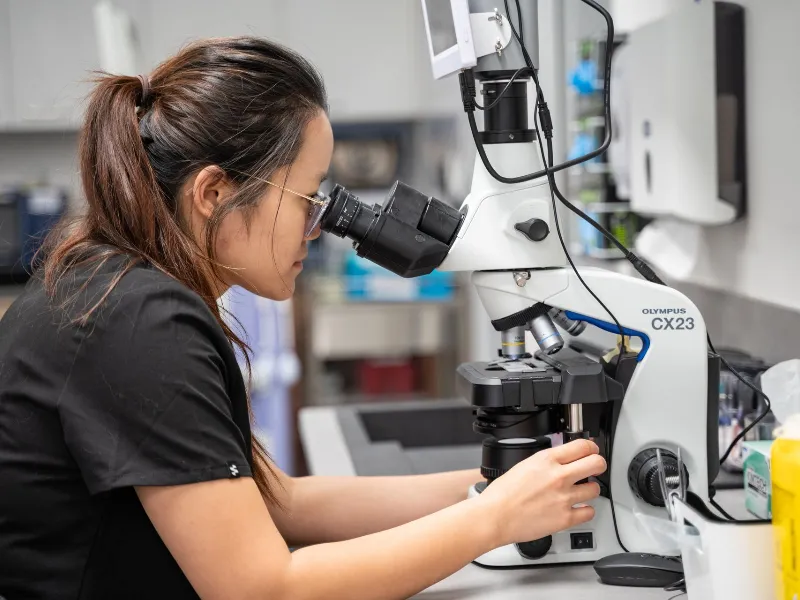
Working out why a cat is struggling to breathe starts with finding the part of the respiratory system involved. We use a combination of physical examination, imaging (such as chest radiographs (x-rays), CT and ultrasound) and, when necessary, sampling or advanced diagnostic testing to pinpoint the source. This can be very difficult to do safely in cats with respiratory distress as the stress of being frightened, in an unfamiliar environment will increase their breathing rate and hence the amount of oxygen they need and may cause further deterioration.

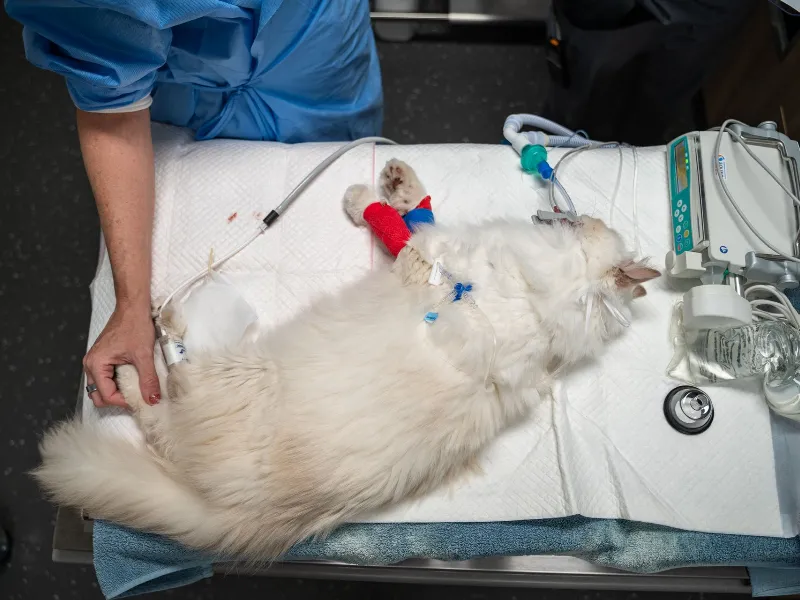
Stabilisation of these cats is very important – this is where we provide oxygen therapy and sedation to reduce any anxiety. Any further testing is done in very careful increments to ensure we are not causing any further distress.This is where it can be beneficial for cats to be in a cat only environment to reduce their stress levels and be with staff that are familiar with working with stressed cats with breathing problems!

Once we know whether it’s the airways, lungs, pleural space, heart or somewhere else, we can stabilise the patient and begin proper treatment.

The treatment process varies widely depending on the cause, but it is always focused on restoring function and comfort.

It may involve oxygen support, medication to reduce inflammation or infection, drainage of fluid or air, or targeted therapy for cardiac or systemic disease.

When a specialist referral is recommended

Some breathing problems require additional support, particularly when the cause is unclear or a cat is not improving despite treatment. Specialist referral is often appropriate for cases involving persistent tachypnoea, recurring episodes of breathing difficulty, suspected effusion or situations needing more advanced imaging. Cats that decompensate easily or cannot be stabilised comfortably in clinic may also benefit from broader assessment.

Specialist involvement is also helpful when procedures such as bronchoscopy, thoracoscopy or targeted sampling are required, or when several body systems may be contributing to the problem. These cases can be complex, and a multidisciplinary approach can ensure each cat has the best chance of living comfortably.

Specialist input in feline respiratory health

Feline respiratory disease often needs more than a single test to reach a diagnosis. Each stage of investigation adds something different, and it’s the accumulation of those insights that ultimately points to the most appropriate path forward.

If your cat, or a patient in your care, needs further investigation for breathing difficulties, the team at Cat Specialist Services can support the next stage of assessment. Owners can contact our team for more information, and veterinarians can refer here.

Are you worried about your cat’s health?

If you are concerned about your cat, please reach out to our friendly team. Call us on 1300 228 377 or fill out the contact form below. In an emergency, please contact your local vet.

For vets – to refer a patient or book a telehealth consultation, please call us on 1300 228 377, book through the portal or fill in the form.

Patient Stories

Our commitment to feline health is best seen in the stories of the cats we’ve had the privilege of treating. These journeys highlight the dedication, expertise and compassion that drive us.

Each patient faced unique challenges, and it was our honour to offer high-quality care and help them regain strength and happiness. We value the deep bonds with cats and their owners, knowing the difference we make in their lives.

Lando’s long game with cryptococcus

Lando was referred to CSS because he had a swelling under his jaw that wouldn’t go away.

Popeye coughs up the culprit

Ares is a handsome young Maine Coon who was referred to CSS after presenting at AES with sudden lameness in his back leg.

Ares takes a fracture in his stride

Ares is a handsome young Maine Coon who was referred to CSS after presenting at AES with sudden lameness in his back leg.

The road to recovery for Kuro

Kuro is a calm and dignified older cat who faced a challenging case of hyperthyroidism and early kidney changes.

Kikki’s transformation after I-131

Kikki is a gentle and resilient cat who came to CSS with a long-standing case of hyperthyroidism and significant heart changes.

Contacting Us

Pet Owners
If you would like to talk about treatment for your cat, call us on 1300 228 377 or fill in the form.
In an emergency, please contact your local vet.

Vets and Nurses
To refer a patient or book a telehealth consultation please call us on 1300 228 377, book through the portal or fill in the form. For advice calls, please see the guidelines here.

Monday-Friday: 8 am-6 pm
Saturday/Sunday - Closed

    Upload Files .png, .jpg, .jpeg, .pdf, .doc, .docx.