
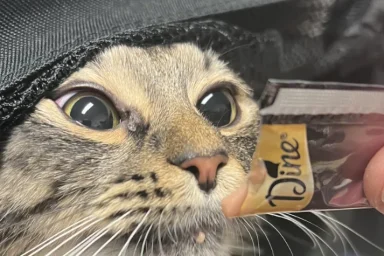
How Do We Approach a Cat in the Hospital That Won’t Eat?
A practical look at supporting hospitalised cats that won’t eat, from addressing pain, nausea and anxiety to adapting food and the environment or providing nutritional support when needed.

1-15 Lexington Rd, Underwood, QLD, AU, 4119
SEARCH

A practical look at supporting hospitalised cats that won’t eat, from addressing pain, nausea and anxiety to adapting food and the environment or providing nutritional support when needed.
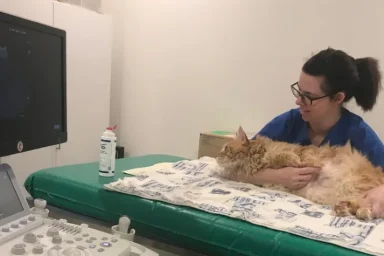
Practical guidance for vets on assessing a cat’s stomach on ultrasound, including orientation, fasting, probe selection, normal wall thickness and layering, and changes that warrant closer examination.
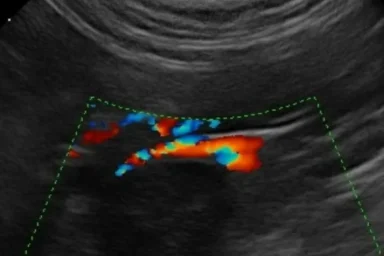
Learn how to locate feline adrenal glands on ultrasound using key anatomical landmarks, including the kidneys, aorta and caudal vena cava, with practical scanning techniques to improve visualisation of these small structures.

Cat Specialist Services is proud to hold ASAV Hospital Accreditation following a comprehensive independent assessment against nationally recognised hospital standards. The criteria consider every part of operations, clinical care and the systems that support it.

Some cats have lots to say. Some say nothing at all. Both can be completely normal. But the important question is whether they’ve become more vocal than they used to be. Increased vocalisation can be due to an underlying medical issue.

Renal diets are the single most evidence‑based intervention for slowing progression and improving survival in feline CKD, and their benefits start as early as IRIS Stage 1 when appropriately implemented and monitored.

If your feline friend is getting older, quality of life is probably a term you’ve heard from your vet before. Rest assured, plenty of senior cats continue to live happy, comfortable and fulfilling lives with the right support.

Sometimes, cats genuinely have preferences. That’s normal. However, any changes in eating habits can also be one of the earliest signs of a genuine medical problem. It can be hard to tell the difference, but a few things might give your fussy feline friend away.

When it comes to sedation in sick cats, it’s never routine and must always be approached on a case-by-case basis. As a cat-exclusive hospital, we’re often asked what protocols we use in these situations.
Pet Owners
If you would like to talk about treatment for your cat, call us on 1300 228 377 or fill in the form.
In an emergency, please contact your local vet.
Vets and Nurses
To refer a patient or book a telehealth consultation please call us on 1300 228 377, book through the portal or fill in the form. For advice calls, please see the guidelines here.
 Monday-Friday: 8 am-6 pm

