Case Studies

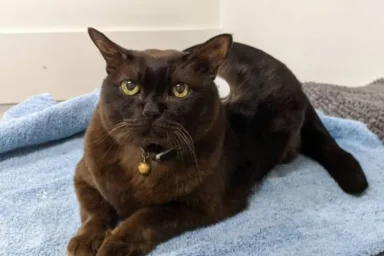
Why is my cat not eating?

Cats tend to keep things to themselves when they’re unwell, but changes in grooming habits, energy levels, and social activity can all be clues. And one of the clearest is a loss of appetite. If your cat’s not eating, here are some common causes.

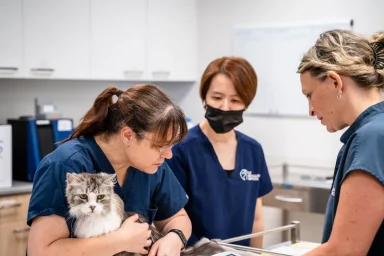
Skilled and compassionate cat nurses make all the difference

Veterinary patients can’t speak, but they always communicate. Skilled and compassionate cat nurses know exactly what cats are trying to say. They bring a specialised approach that combines behavioural insight, technical precision and emotional awareness.

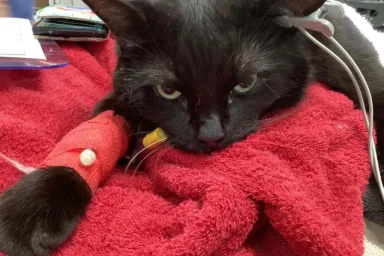
Expert care and a tailored plan saved Ed from pancreatitis

Pancreatitis is an inflammatory condition that disrupts digestion and often goes unnoticed until a cat becomes seriously ill. That was the case for Ed, whose vague symptoms progressed into a life-threatening emergency. Thankfully, with expert care from Cat Specialist Services, she made a full recovery.

Why cat vets matter

Beneath every cat’s quiet grace lies a world of medical complexities that feline specialists are uniquely equipped to understand. Cat vets matter because they combine expert knowledge with skilled handling techniques—not to mention a genuine passion for these remarkable creatures.

Nasal Disease in Cats – An Overview

If your cat is sneezing a lot, has a runny nose, or seems to have trouble breathing through their nose, they might have a nasal disease. Find out more about common causes of nasal disease in cats.

Common Respiratory Problems in Cats

Common respiratory issues can range from mild to severe and are often distressing for the cat and its owner. Recognising the signs and understanding how to proceed is crucial to keeping your cat healthy.

Radioactive Iodine-What’s Involved

Has your cat been diagnosed with hyperthyroidism? While there are several treatment options for cats with hyperthyroidism, radioactive iodine therapy is considered the gold standard for cats of all ages as it is simple, effective and safe.

Checking a Resting Breathing Rate in your Cat

In this guide, we show you how to measure your cat’s resting breathing rate at home. Tracking their breathing rate helps us monitor how they’re responding to treatment or if their condition is worsening.

How do Nasal Cancers affect Cats?

Nasal tumors primarily affect cats’ nasal passages and sinuses, causing obstructions or damage to the surrounding tissues. Older cats are at higher risk, though nasal cancers can occur in cats of any age.

Contacting Us

Pet Owners
If you would like to talk about treatment for your cat, call us on 1300 228 377 or fill in the form.
In an emergency, please contact your local vet.

Vets and Nurses
To refer a patient or book a telehealth consultation please call us on 1300 228 377, book through the portal or fill in the form. For advice calls, please see the guidelines here.

Monday-Friday: 8 am-6 pm
Saturday/Sunday - Closed

    Upload Files .png, .jpg, .jpeg, .pdf, .doc, .docx.