Owners

Feline Breathing Disorders Explained by Specialists

Feline breathing disorders can stem from disease in the airways, lungs, pleural space or even systems far beyond the chest. Identifying the cause requires a thorough assessment and targeted diagnostics

Ultrasounds: A Non-invasive Window into Feline Health

Ultrasound is one of the most valuable technologies for supporting feline health, as it provides a clear, non-invasive view of the organs and structures. It helps diagnose conditions that aren’t obvious on examination or routine testing.

Diet for Diabetic Cats: Feeding Tips After a Diabetes Diagnosis

After the overwhelm of a diabetes diagnosis subsides, you’ll likely be wondering if there’s a specific diet for diabetic cats. The answer is yes. It’s a key pillar of your management plan, along with medication and regular monitoring.

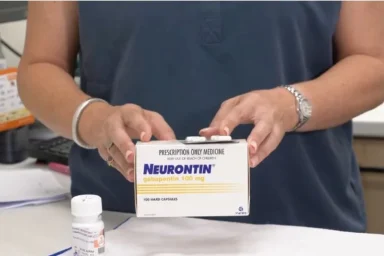
Gabapentin for Cats: Calmer Visits, Safer Care

Most living beings have an aversion to hospitals, and cats, in particular, often respond with fear. Treatment or even basic handling can sometimes be near impossible without help. That’s why we find Gabapentin helpful for calmer visits and safer care.

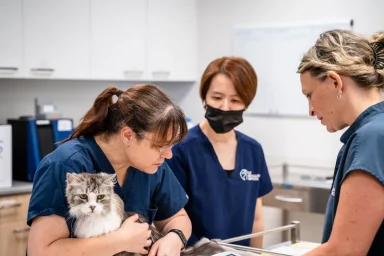
How Feline Nurses Build Trust with Fearful Cats

Cats don’t respond to distress and anxiety the same way dogs or people do, which is why our feline nurses play such an important role in ensuring every patient feels safe. They build trust slowly through calm, consistent care, allowing each cat to set the pace.

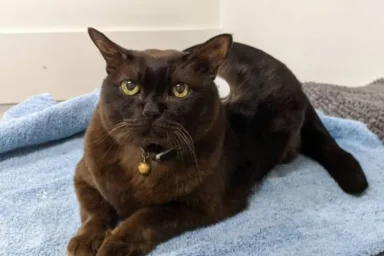
Audiogenic seizures in cats and what triggers them

Audiogenic seizures are set off by very specific sound triggers that are often sharp or high-pitched. They are more common in older cats, particularly Burmese, and can be easy to miss unless the pattern between the sound and the symptoms is recognised.

Before and after radioactive iodine treatment for cats with hyperthyroidism

Radioactive iodine therapy is the gold standard treatment for cats with hyperthyroidism and the only curative solution. If you think that sounds too good to be true, see the before, during and after of the process, and read some patient case studies here.

Emergency Triage for Cats

Emergency triage for cats is how we ensure the sickest patients get help without delay. Based on an initial assessment, your cat may stay by your side or be taken out the back of the hospital for urgent care and treatment. Here’s what to expect from the process.

The signs and causes of feline urinary problems and how to care for them at home

If something seems off about your cat’s toileting habits, act early. While feline urinary problems are common, the signs and causes range from manageable to severe. And if your cat needs ongoing care at home, you will have an essential role in their care.

Contacting Us

Pet Owners
If you would like to talk about treatment for your cat, call us on 1300 228 377 or fill in the form.
In an emergency, please contact your local vet.

Vets and Nurses
To refer a patient or book a telehealth consultation please call us on 1300 228 377, book through the portal or fill in the form. For advice calls, please see the guidelines here.

Monday-Friday: 8 am-6 pm
Saturday/Sunday - Closed

    Upload Files .png, .jpg, .jpeg, .pdf, .doc, .docx.